
Why Durability is Non-Negotiable for Kitchen Floor Tiles
Kitchen Floor Tiles Built – The kitchen is arguably the most dynamic room in any house, facing a unique array of stressors that demand flooring of exceptional fortitude. Unlike a bedroom or living room, kitchen floors are subjected to daily assaults from spilled liquids, dropped utensils, dragging chairs, and the relentless patter of feet. A flimsy floor choice in this critical area is not just an aesthetic misstep; it’s an open invitation for premature wear, costly repairs, and ongoing frustration.
Investing in best kitchen floor tiles for durability means securing peace of mind and long-term savings. Durable tiles resist chips, cracks, stains, and moisture penetration, maintaining their pristine appearance and structural integrity for years, if not decades. This resilience translates directly into less maintenance, fewer replacements, and a consistently beautiful kitchen that withstands the test of time, proving that robustness and elegance can indeed coexist.
Understanding Key Durability Metrics for Kitchen Floor Tiles
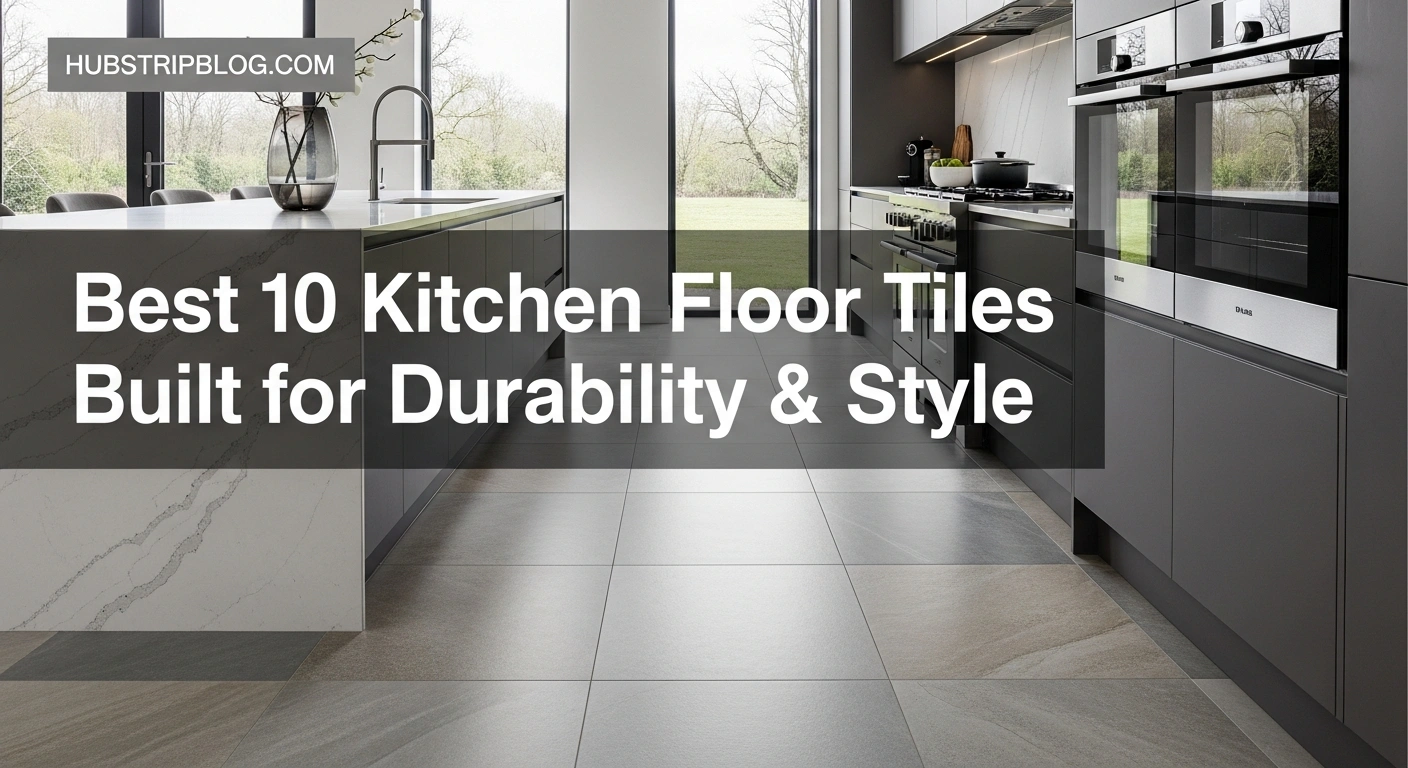
When seeking the best kitchen floor tiles for durability, it’s crucial to understand the industry standards and ratings that quantify a tile’s toughness. These metrics provide objective ways to evaluate how well a tile will perform under pressure, ensuring you make an informed choice for your high-traffic kitchen. Knowing these terms empowers you to select tiles that truly meet the demands of a busy culinary space.
P.E.I. Rating (Porcelain Enamel Institute)
The P.E.I. rating is a vital indicator of a tile’s resistance to abrasion and wear, particularly important for glazed tiles. It classifies tiles on a scale from 0 to 5, with higher numbers indicating greater durability for foot traffic. For a kitchen, you generally want a tile with a P.E.I. rating of at least 3, if not 4 or 5, to ensure it can withstand the heavy activity common in this area.
- P.E.I. Class 0: No foot traffic; wall use only.
- P.E.I. Class 1: Very light traffic; ideal for walls or areas with bare feet only.
- P.E.I. Class 2: Light traffic; suitable for bathrooms or areas with soft-soled shoes.
- P.E.I. Class 3: Light to Moderate traffic; good for residential spaces like kitchens and hallways.
- P.E.I. Class 4: Moderate to Heavy traffic; excellent for all residential and light commercial use. Often considered the benchmark for best kitchen floor tiles for durability.
- P.E.I. Class 5: Heavy to Extra-Heavy traffic; suitable for heavy commercial and industrial use, offering maximum resistance.
Mohs Hardness Scale
The Mohs Hardness Scale measures a material’s resistance to scratching, ranging from 1 (very soft, like talc) to 10 (very hard, like diamond). While not directly developed for tiles, it offers a general idea of how scratch-resistant a tile material is. For kitchen floors, choosing tiles with a higher Mohs rating (typically 5 or above) will mean less susceptibility to scratches from dropped items or dragged furniture, preserving its pristine look.
Water Absorption Rate
A tile’s water absorption rate is critical in moisture-prone areas like kitchens, directly impacting its stain resistance and long-term stability. Tiles are categorized based on how much water they absorb, with lower percentages indicating higher density and impermeability. The best kitchen floor tiles for durability often fall into the impervious or vitrified categories, ensuring they resist spills, humidity, and potential mold growth.
- Non-vitreous: Absorbs more than 7% of its weight in water (not suitable for kitchens).
- Semi-vitreous: Absorbs 3% to 7% of its weight in water (generally not recommended for kitchens).
- Vitreous (Low Absorption): Absorbs 0.5% to 3% of its weight in water (good for kitchens).
- Impervious (Waterproof): Absorbs less than 0.5% of its weight in water (the gold standard for kitchens, offering maximum protection).
Slip Resistance (Coefficient of Friction – COF)
Safety is paramount in the kitchen, and a tile’s slip resistance, measured by its Coefficient of Friction (COF), is a crucial durability factor. A higher COF indicates greater friction and less likelihood of slipping, especially important in an environment prone to spills. Different rating systems exist (like DCOF for dynamic coefficient), but generally, you want a tile that provides adequate grip even when wet. Textured or matte finishes often offer better slip resistance than highly polished ones, contributing to a safer and more durable kitchen environment.
Impact Resistance
The ability of a tile to withstand sudden force, such as a dropped pot or a heavy object, is its impact resistance. While not always quantified by a universal scale, denser, thicker tiles generally offer superior impact resistance. Porcelain tiles, for example, are renowned for their high impact resistance due to their incredibly dense composition. This feature is vital in a kitchen, where accidental drops are a common occurrence, preventing chips and cracks that can mar the appearance and compromise the integrity of your floor.
The Top 10 Kitchen Floor Tiles Built for Durability & Style
When it comes to selecting the best kitchen floor tiles for durability that also bring unparalleled style, the options are plentiful and diverse. Each material offers a unique combination of resilience, aesthetic appeal, and practical benefits tailored to the demands of a bustling kitchen. Here, we present our top 10 choices, meticulously chosen for their ability to withstand the test of time while elevating your kitchen’s design.
1. Porcelain Tile
Porcelain tile stands as the undisputed champion among the best kitchen floor tiles for durability. Made from a denser, finer clay and fired at higher temperatures than ceramic, porcelain is exceptionally hard, resistant to scratches, chips, and impact. Its incredibly low water absorption rate (often impervious, below 0.5%) makes it virtually waterproof and highly resistant to stains, mold, and mildew, which is crucial in a spill-prone kitchen.
From a style perspective, porcelain is incredibly versatile. It can realistically mimic natural stone, hardwood, concrete, and even fabric, offering an endless array of colors, textures, and patterns. Whether you desire a sleek, modern look with large format polished tiles or a rustic farmhouse appeal with wood-look planks, porcelain delivers. Its robustness means your chosen style will remain pristine for decades, making it a truly smart and lasting investment for any kitchen.
2. High-Grade Ceramic Tile
While often compared to porcelain, high-grade ceramic tile still offers significant durability, particularly for residential kitchens. These tiles are made from coarser clays and fired at slightly lower temperatures, resulting in a slightly higher water absorption rate than porcelain. However, modern manufacturing techniques and durable glazes have significantly improved their performance, making them a strong contender for best kitchen floor tiles for durability when high quality is prioritized.
Ceramic tiles are known for their vast design flexibility and affordability. They come in an astounding variety of colors, sizes, patterns, and finishes, allowing for endless customization to match any kitchen aesthetic, from vibrant retro to subtle contemporary. Glazed ceramic tiles offer a protective layer that resists stains and scratches, making them easy to clean and maintain. While not as ultra-dense as porcelain, a P.E.I. rating of 3 or 4 ensures a long-lasting and stylish floor in most residential kitchen settings.
3. Luxury Vinyl Tile (LVT) / Luxury Vinyl Plank (LVP)
Luxury Vinyl Tile (LVT) and its plank counterpart (LVP) have rapidly become a top choice for kitchens, celebrated for their remarkable blend of durability, comfort, and realistic aesthetics. These multi-layered synthetic tiles are engineered for toughness, featuring a resilient core, a high-definition printed design layer, and a robust wear layer that protects against scratches, dents, and scuffs. The inherent flexibility of LVT/LVP means it’s less prone to cracking than rigid tile if something heavy is dropped.
One of LVT/LVP’s greatest strengths is its exceptional water resistance, often being completely waterproof, making it an ideal candidate for best kitchen floor tiles for durability where spills are frequent. Style-wise, LVT/LVP excels at convincingly mimicking natural materials like hardwood, stone, and ceramic, often at a fraction of the cost and with much simpler installation. It offers a softer, warmer feel underfoot than traditional tile, adding an element of comfort to its hard-wearing nature.
4. Granite Tile
For those seeking the pinnacle of natural stone luxury combined with incredible strength, granite tile is an unparalleled choice for the kitchen. Formed under intense heat and pressure, granite is one of the hardest natural stones available, boasting exceptional resistance to scratches, chips, heat, and impact. Its dense, non-porous nature, especially when properly sealed, makes it highly resistant to stains and moisture penetration, solidifying its place among the best kitchen floor tiles for durability.
Aesthetically, granite offers a sophisticated and timeless appeal, characterized by its unique flecked or mottled patterns derived from various minerals. Available in a spectrum of colors from deep blacks and grays to vibrant reds and blues, each tile is a unique piece of art. While requiring professional sealing upon installation and periodic re-sealing, its enduring beauty and unwavering resilience guarantee a kitchen floor that will command attention and outperform for generations.
5. Slate Tile
If your vision for the kitchen leans towards rustic charm, natural texture, and formidable durability, slate tile is a compelling option. Slate is a fine-grained, metamorphic rock known for its exceptional hardness and distinctive clefted surface, giving it a naturally slip-resistant quality that is highly beneficial in a kitchen. It’s incredibly resilient against chips, cracks, and heavy foot traffic, making it a strong contender for best kitchen floor tiles for durability.
In terms of style, slate boasts an earthy, organic appeal. Its inherent color variations—ranging from deep charcoals, greens, and blues to warm rusts and purples—create a rich, variegated tapestry on the floor. The natural texture provides an authentic, undulated feel that adds depth and character to any design, from traditional to contemporary. Like other natural stones, slate benefits from professional sealing to enhance its stain resistance and maintain its pristine appearance over time.
6. Quarry Tile
Steeped in history and renowned for its sheer robustness, quarry tile remains an excellent choice for highly durable kitchen flooring. Unlike other tiles, quarry tiles are unglazed and made from natural clay materials that are extruded and then fired at extremely high temperatures. This process results in an incredibly dense, non-porous tile that is exceptionally resistant to abrasion, moisture, and impact, making it a reliable candidate for best kitchen floor tiles for durability.
Aesthetically, quarry tiles offer a distinct, earthy, and industrial look. They typically come in natural, muted tones like reds, browns, oranges, and grays, which integrate beautifully into farmhouse, Mediterranean, or rustic kitchen designs. Their unglazed, slightly textured surface contributes to good slip resistance, an important safety feature in a busy kitchen. While they may require initial sealing, their inherent low maintenance and classic style make them a practical and enduring choice for a functional and beautiful space.
7. Terracotta Tile (High-Fired & Sealed)
For a kitchen floor brimming with warmth, character, and a touch of the old-world, terracotta tile offers surprising durability, especially when selected as high-fired and properly sealed. Traditional terracotta is made from natural red or iron-rich clays and typically fired at lower temperatures, making it porous. However, modern high-fired versions increase density and resilience, and with diligent sealing, it transforms into one of the best kitchen floor tiles for durability for a charming aesthetic.
The appeal of terracotta lies in its rustic, sun-baked aesthetic, with rich reddish-brown and orange hues that create an inviting and cozy atmosphere. It pairs beautifully with Mediterranean, Tuscan, and Southwestern kitchen styles. While softer than porcelain or granite, a well-sealed terracotta floor can withstand heavy foot traffic and resist stains effectively. Its unique imperfections and handcrafted feel add a timeless appeal, bringing an authentic warmth that only natural clay can provide.
8. Cement Tiles (Encaustic)
While perhaps not the first tile that comes to mind for sheer robustness, cement tiles, particularly the vibrant encaustic variety, offer a unique blend of custom artistry and impressive durability when properly cared for. Cement tiles are handmade from a blend of cement, sand, and mineral pigments, pressed into molds, and then cured rather than fired. Their considerable thickness and density contribute to their durability, making them resilient to heavy foot traffic.
The primary allure of encaustic cement tiles lies in their breathtaking patterns and colors, which run throughout the tile, meaning the design won’t wear off. This makes them a stylistic powerhouse, capable of creating stunning focal points and personalized kitchens. Though inherently porous, a strong initial sealing and regular resealing are crucial to protect them from stains and moisture, allowing their robust structure and intricate beauty to endure for decades. For those willing to maintain them, they are truly among the best kitchen floor tiles for durability that also serves as a work of art.
9. Travertine Tile (Sealed)
Travertine tile, a form of limestone, brings an elegant, classic Mediterranean charm to any kitchen. While generally softer than granite, high-quality, dense travertine, especially when “filled” (where natural voids are filled with resin) and properly sealed, can be a surprisingly durable option for kitchen floors. Its natural variations and earthy tones create a sophisticated yet inviting ambiance, contributing to its status among the best kitchen floor tiles for durability for a refined aesthetic.
Travertine ranges in color from creams and beiges to golds and browns, often featuring natural veins and subtle pitting that add character. Its warm, neutral palette makes it highly versatile, complementing both traditional and contemporary designs. Like other natural stones, it requires diligent sealing upon installation and periodic resealing to protect against acids, stains, and moisture. With proper care, a travertine kitchen floor will showcase enduring beauty and resilience, aging gracefully like a fine wine.
10. Linoleum Tile (Modern Composition)
Often confused with vinyl, modern linoleum tile is a distinct, eco-friendly, and incredibly resilient flooring option that deserves its place among the best kitchen floor tiles for durability. Made from natural materials like solidified linseed oil, cork dust, wood flour, and tree resins, linoleum is naturally antibacterial and biodegradable. It boasts excellent resistance to dents, scratches, and wear, coupled with a comfortable, warm feel underfoot.
Linoleum offers a unique combination of natural resilience and vibrant style. It’s available in a wide array of solid colors, subtle patterns, and custom cuts, allowing for intricate designs and borders. Its homogeneous composition means the color runs throughout the material, so scratches are less noticeable. While it requires specific pH-neutral cleaners and occasional waxing or sealing to maintain its finish and enhance stain resistance, its inherent durability, comfort, and sustainable properties make it an outstanding, long-lasting choice for the contemporary kitchen.
Factors Beyond Material: Ensuring Longevity and Style for Your Kitchen Floor
While choosing the best kitchen floor tiles for durability is paramount, the longevity and aesthetic appeal of your kitchen floor extend far beyond the tile material itself. Several critical factors, from installation practices to ongoing maintenance, play an equally vital role in ensuring your investment stands the test of time and continues to look impeccable year after year. Neglecting these areas can undermine even the most durable tile choice.
Professional Installation: The Foundation of Durability
The quality of installation is arguably as important as the tile material itself. Even the best kitchen floor tiles for durability will fail prematurely if not installed correctly. Professional installers ensure the subfloor is properly prepared—level, clean, and structurally sound—which prevents future cracking or shifting. They meticulously apply the correct type and amount of adhesive, ensuring a strong, lasting bond.
- Subfloor Preparation: A stable, level, and clean subfloor is essential to prevent future tile movement, cracking, or hollow spots.
- Correct Adhesives: Using the right mortar/adhesive for your specific tile type and subfloor ensures maximum adhesion and flexibility.
- Precise Layout & Grouting: Proper tile layout, consistent spacing, and expert grout application are crucial for both aesthetics and structural integrity.
Grout Selection and Sealing: The Unsung Heroes of Tile Durability
Grout, often overlooked, is a critical component of a durable tiled floor. It fills the spaces between tiles, locking them in place and creating a cohesive, protective surface. The type of grout and its maintenance significantly impact the floor’s resistance to moisture, stains, and mildew.
- Epoxy vs. Cementitious Grout:
- Cementitious Grout: The traditional choice, it’s porous and requires sealing to protect against stains and moisture.
- Epoxy Grout: Non-porous, highly resistant to stains, chemicals, and moisture, making it exceptionally durable and low-maintenance, though more expensive to install.
- Importance of Grout Sealing: For cementitious grouts, proper sealing is non-negotiable. A good quality penetrating sealer will prevent liquids and stains from seeping into the grout lines, protecting them from discoloration and deterioration, thereby preserving the overall durability of your kitchen floor.
Maintenance and Care: Preserving Your Investment
Even the best kitchen floor tiles for durability require consistent and appropriate care to maintain their beauty and extend their lifespan. A proactive approach to cleaning and maintenance can prevent permanent damage and keep your kitchen looking fresh and new.
- Regular Cleaning Routines:
- Daily Sweeping/Vacuuming: Remove loose dirt, crumbs, and abrasive particles that can scratch the tile surface.
- Weekly Mopping: Use a pH-neutral cleaner specifically designed for your tile type. Avoid harsh chemicals, acidic cleaners, or abrasive scrubbers, which can damage grout and tile finishes, especially on natural stone or sealed surfaces.
- Prompt Spill Cleanup: Immediately wipe up spills, especially acidic liquids (like citrus or vinegar) or highly pigmented foods (like red wine or coffee), to prevent staining, particularly on porous tiles and grout.
Specific Care Tips for Different Tile Types
- Porcelain & Glazed Ceramic: Generally low maintenance. Mop with a mild, pH-neutral cleaner.
- Natural Stone (Granite, Slate, Travertine): Requires specific stone cleaners and regular resealing (annually or biannually, depending on traffic and sealer type) to maintain stain resistance. Avoid acidic cleaners.
- Unglazed Tiles (Quarry, Terracotta, Cement): Require deep sealing upon installation and periodic resealing. Use gentle cleaners.
- LVT/LVP: Simply sweep and damp mop with a gentle cleaner. Avoid excessive water or harsh chemicals.
Understanding Wear and Tear: When to Consider Resealing or Repair
Pay attention to signs of wear, especially in high-traffic zones. If water no longer beads on your grout lines or natural stone, it’s time to reseal. Address chipped or cracked tiles promptly to prevent moisture ingress and further damage to the subfloor. Timely repairs not only maintain aesthetics but also uphold the long-term durability of your kitchen floor.
Investing in the Best: Why Choosing Durable Kitchen Tiles Pays Off
Choosing the best kitchen floor tiles for durability is not merely a home improvement project; it’s a strategic investment that yields substantial returns. Beyond the immediate aesthetic enhancement, the long-term benefits of opting for robust, high-quality flooring in your kitchen are manifold, impacting your wallet, your lifestyle, and even the value of your home.
Long-Term Cost Savings
While the initial outlay for highly durable kitchen tiles might sometimes be higher, the long-term cost savings are undeniable. Floors that resist wear, tear, and damage require less frequent replacement and significantly fewer repairs. This means you avoid the recurring expenses of purchasing new materials, hiring installers, and disposing of old flooring, summing up to considerable savings over the lifespan of your home. A durable floor is an investment that pays dividends by eradicating future headaches and depletion of your budget.
Aesthetic Longevity
The kitchen is a showcase in many homes, and its floor plays a pivotal role in setting the tone. Opting for the best kitchen floor tiles for durability ensures that your chosen aesthetic remains vibrant and appealing for years to come. These tiles are designed to resist fading, scratching, and staining, which means your beautiful design choice won’t quickly degrade into a worn-out eyesore. Your kitchen will maintain its pristine, “just installed” look, preserving the visual integrity and charm of your home’s most used space, enhancing both your daily enjoyment and your home’s market appeal.
Health and Safety Considerations
A durable kitchen floor contributes significantly to a healthier and safer home environment. Tiles with low water absorption rates, like porcelain, resist mold and mildew growth, which are common allergens. Additionally, surfaces that are easy to clean prevent the accumulation of dirt and germs, promoting a more hygienic space for food preparation and family meals. Many durable tile options also come with slip-resistant features, actively reducing the risk of accidents in a room notoriously prone to spills and wet conditions, ensuring peace of mind for you and your family.
Sustainable Choices: Durability as an Eco-Friendly Feature
In an era of increasing environmental consciousness, choosing durable kitchen tiles aligns perfectly with sustainable living principles. Products that last longer inherently reduce waste by minimizing the need for frequent replacements. Selecting materials like high-fired porcelain, natural stone, or modern linoleum not only ensures longevity but also often involves materials with lower environmental footprints in their production or composition. By investing in the best kitchen floor tiles for durability, you’re making a responsible choice that benefits both your home and the planet, reducing consumption and contributing to a more sustainable future.
Conclusion
The kitchen is the cornerstone of every home, a space where memories are made and culinary adventures unfold. It demands a flooring solution that can withstand the daily grind while radiating style and elegance. As we’ve explored, the journey to finding the best kitchen floor tiles for durability is one that beautifully marries resilience with aesthetic appeal, proving that you don’t have to compromise on either.
From the unyielding strength of porcelain and granite to the versatile charm of LVT and slate, each of our top 10 selections offers a unique blend of robust performance and captivating design. Remember that true longevity is a synergy of superior material, expert installation, and consistent, appropriate care. By carefully considering these factors and investing wisely, you’ll not only enhance the beauty and functionality of your kitchen but also secure a lasting foundation that will serve your home for decades to come. Your kitchen deserves nothing less than the best—a floor that is as enduring as your favorite family recipes, and as stylish as your most cherished gatherings.
