
The Architectural Impact of a Modern Interior Door
Home Interior Doors for Modern Homes – Before diving into specific styles, it’s essential to understand why interior doors hold such a pivotal role in modern design. Unlike traditional designs that often feature ornate details, modernism champions simplicity, functionality, and clean lines. An interior door is a large, vertical plane that can either support or disrupt this philosophy.
In a modern home, doors contribute to the overall architectural narrative. They can be used to create a sense of cohesion by matching wall colors for a “hidden” effect, or they can serve as a bold accent piece. They influence the perception of space and light—a solid door provides privacy and acoustic separation, while a glass door promotes an open, airy feel. Choosing from the best home interior doors for modern homes is an investment in your property’s value and your daily experience within it.
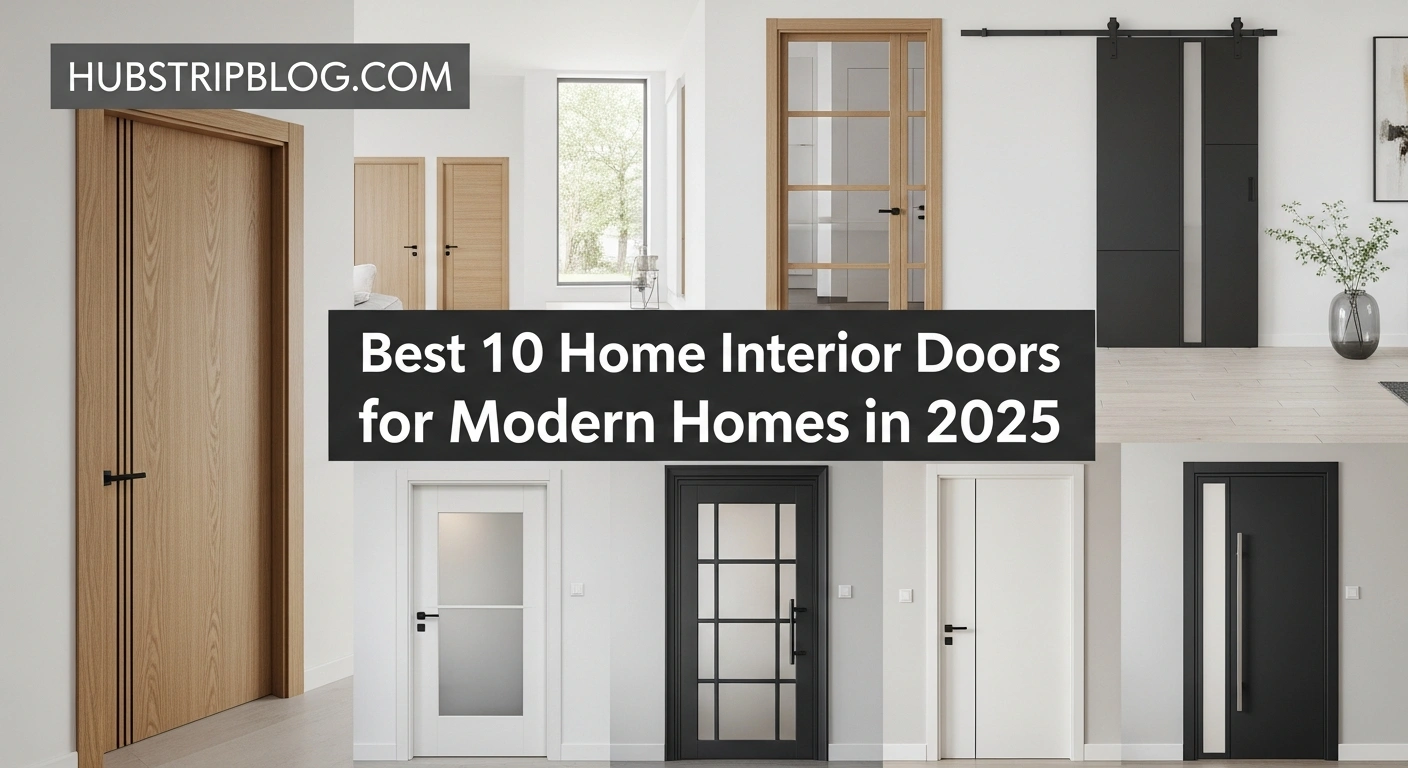
Defining the Modern Door: Key Characteristics for 2025
What exactly makes a door “modern” in the context of 2025? The aesthetic is defined by a few core principles that prioritize form and function in equal measure. These are the elements that separate a contemporary classic from a dated design. Home Interior Doors for Modern Homes
Simplicity in Form and Clean Lines
The hallmark of modern design is the absence of unnecessary ornamentation. Modern interior doors feature flat, unembellished surfaces, known as flush doors, or have very simple, geometric patterns like vertical or horizontal grooves. The focus is on the purity of the shape and the quality of the material, creating a sleek, uncluttered look that complements minimalist interiors.
High-Quality Materials and Tactile Finishes
Modernism celebrates authenticity in materials. This translates to doors made from high-quality solid wood, engineered wood with flawless veneers, glass, and metal. The finishes in 2025 are leaning towards sophisticated, low-sheen options. Think matte black, silky satin finishes, and natural wood grains that add warmth and texture without overwhelming the space.
Integration and Seamlessness
The best modern doors often feel like an integrated part of the wall. This can be achieved with frameless or trimless installations, where the door sits flush with the wall, creating a continuous, uninterrupted surface. This “hidden door” look, often paired with concealed hinges, is the pinnacle of minimalist luxury and a defining trend for the coming years.
The Ultimate List: 10 Best Home Interior Doors for Modern Homes in 2025
Here is our curated selection of the top door styles that perfectly capture the spirit of modern living. Each offers a unique blend of aesthetics, functionality, and forward-thinking design.
1. The Minimalist Flush Door: The Power of Understatement
The flush door is the quintessential modern interior door. Its beauty lies in its absolute simplicity—a single, flat slab without any panels or decorative elements. This creates a clean, serene canvas that allows other design elements in the room to take center stage.
For 2025, the trend is to take flush doors to the next level with superior finishes. A perfectly painted flush door in a bold, contrasting color or a shade that matches the wall for a camouflaged effect is a powerful design choice. High-quality wood veneers, like oak or walnut, also bring natural warmth and texture to the minimalist form, making it one of the most versatile and best home interior doors for modern homes.
2. The Grand Pivot Door: An Architectural Statement
A pivot door is a dramatic and luxurious choice that makes an unforgettable impression. Unlike traditional doors that swing on side-mounted hinges, a pivot door rotates on a central or offset axis. This mechanism allows for much larger and heavier doors, creating a sense of grandeur and an impressive, unobstructed opening.
These doors are often full-height, stretching from floor to ceiling, which visually extends the height of a room. While commonly used for main entrances, they are increasingly popular for interior spaces like the transition from a living area to a study or a master bedroom to an ensuite. The smooth, graceful motion of a pivot door is an experience in itself, embodying modern engineering and high-end design.
3. The Industrial-Chic Glass and Steel Door
Drawing inspiration from factory windows and loft apartments, the Crittall-style glass and steel door has become a modern classic. Characterized by its slim, black steel frame and multiple glass panes, this style adds a touch of industrial edge while maintaining a light, open feel.
This door style is perfect for separating spaces like a kitchen and dining area or a home office and living room without blocking light or sightlines. It defines zones while preserving an open-plan atmosphere. For 2-25, we’re seeing variations with frosted or ribbed glass for added privacy, as well as frames in bronze or graphite, offering a softer alternative to the classic black.
4. The Reimagined Modern Barn Door
The barn door has evolved far beyond its rustic farmhouse origins. The modern interpretation ditches the distressed wood and heavy hardware for sleek, minimalist designs. Imagine a single slab of frosted glass, a matte-finished flush panel, or a door with clean, geometric metal inlays, all sliding smoothly on an elegant, low-profile track.
Modern barn doors are exceptional space-savers as they don’t require swing clearance. This makes them an ideal solution for closets, pantries, laundry rooms, or any area where a traditional swinging door would be awkward. They serve as a moveable art piece, adding dynamic functionality and style.
5. The Invisible Pocket Door: The Ultimate Space-Saver
For the ultimate in minimalist design and space efficiency, nothing beats a pocket door. These doors slide discreetly into a cavity in the adjacent wall, completely disappearing when open. This creates the cleanest possible transition between rooms and maximizes usable floor space, making it perfect for smaller homes, bathrooms, and closets.
Modern pocket doors have vastly improved hardware, ensuring a smooth, silent glide. When paired with a frameless design and edge pulls, they become almost invisible when closed, contributing to a seamless, uncluttered aesthetic. By eliminating “door swing,” you reclaim valuable square footage for furniture placement or simply a more open feel.
6. Doors with Subtle Geometric Grooves
For those who find a completely flat flush door a bit too plain, doors with subtle, routed geometric patterns are an excellent choice. These designs feature clean, CNC-machined lines—either vertical, horizontal, or in simple abstract patterns—that add a layer of texture and visual interest without being overly decorative.
These grooves cast subtle shadows that change with the light throughout the day, adding a dynamic quality to the door’s surface. This style offers a perfect middle ground, providing a touch of bespoke detail while adhering to the core principles of modernism. It’s a sophisticated way to add character to a minimalist space.
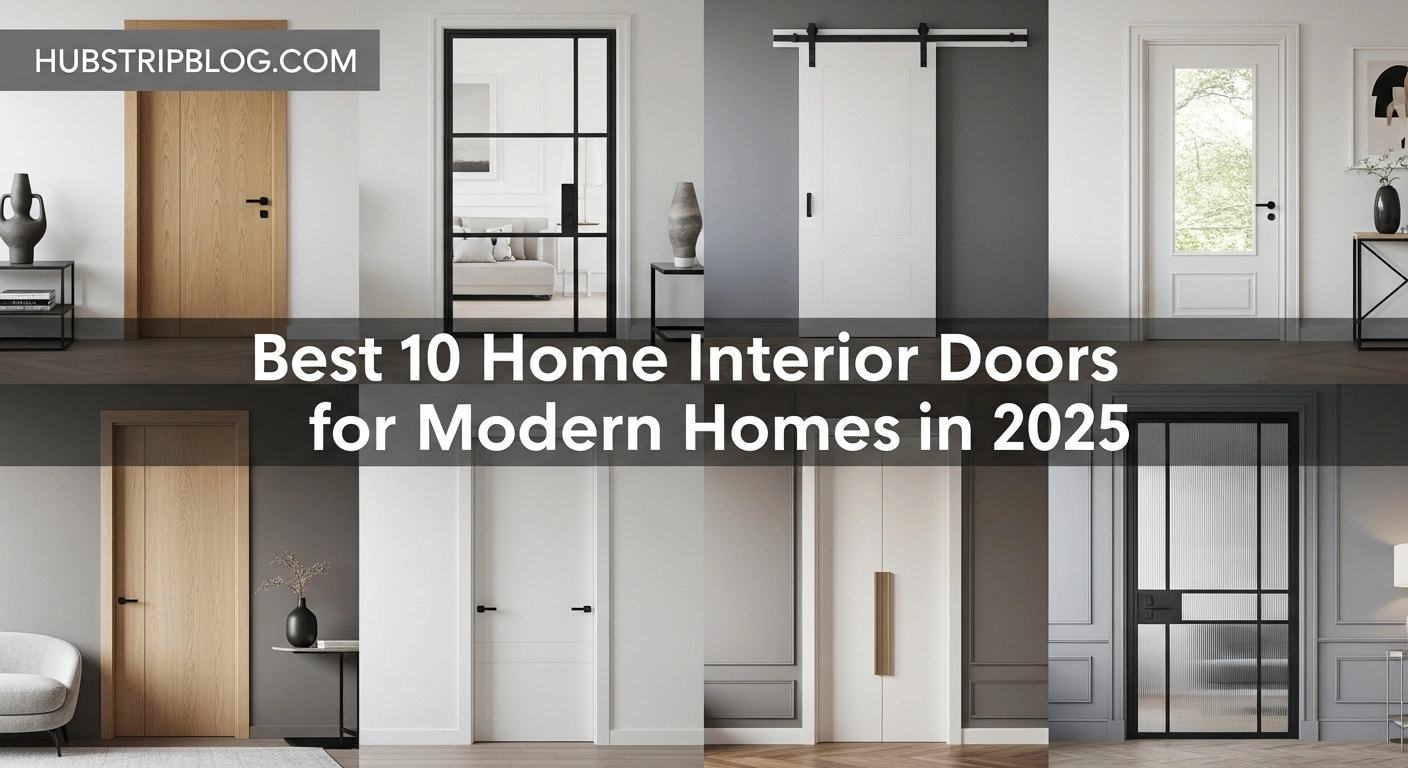
7. The Full-Lite Glass Door: Maximizing Natural Light
In modern architecture, natural light is a prized commodity. A full-lite glass door, which features a single, large pane of glass, is the perfect tool to maximize its flow throughout your home. This style creates a powerful sense of openness and connection between spaces, making your home feel larger and more inviting.
To address privacy concerns, modern full-lite doors are available with a variety of glass options. Frosted, etched, or reeded glass provides obscurity while still allowing light to pass through, creating beautiful, diffused light effects. When paired with a minimal wood or metal frame, this door becomes a luminous and elegant feature.
8. Sustainable Material Doors: Eco-Conscious Elegance
As environmental awareness grows, so does the demand for sustainable design choices. In 2025, doors made from eco-friendly materials are not just a responsible choice but a stylish one. Look for doors crafted from bamboo, a rapidly renewable resource with a beautiful, modern grain, or from reclaimed wood that brings unique history and character to your home.
Additionally, doors made from composite materials with high recycled content and finished with low-VOC (volatile organic compound) paints are becoming staples. These options prove that the best home interior doors for modern homes can be both beautiful and kind to the planet.
9. The Bold Color Pop Door
While modern design often favors neutral palettes, a strategically placed pop of color can bring a space to life. An interior door is the perfect canvas for a bold color statement. A vibrant hue—like a deep navy blue, a rich emerald green, or even a cheerful yellow—can turn a simple flush door into an exciting focal point.
This approach works best when the rest of the room is relatively neutral, allowing the door to stand out as a deliberate design moment. It’s a fantastic way to inject personality and energy into hallways, kids’ rooms, or a home office, proving that modernism can be playful and expressive.
10. The High-Tech Smart Door: The Future is Now
The integration of technology is a key trend for 2025. Smart interior doors are moving from concept to reality, offering enhanced convenience and security. These can feature integrated smart locks that can be operated via a smartphone, automated opening and closing mechanisms, or even built-in LED lighting for ambiance or wayfinding at night.
While still a premium option, the smart door represents the ultimate fusion of modern design and cutting-edge functionality. It’s a forward-thinking choice for tech-savvy homeowners looking to create a truly connected and responsive living environment.
How to Select the Perfect Door for Your Modern Home
Choosing the right door involves more than just picking a style you like. It requires a thoughtful consideration of function, material, and the overall context of your home’s design.
Consider the Door’s Function and Location
First, think about what the door needs to do. A door to a bedroom or bathroom requires a high degree of privacy and sound insulation, making a solid core door an excellent choice. For a closet or pantry, a lightweight hollow core door might suffice, or a space-saving barn or pocket door could be ideal. A door leading to a home office might benefit from glass panels to maintain a connection to the rest of the house while still muffling sound.
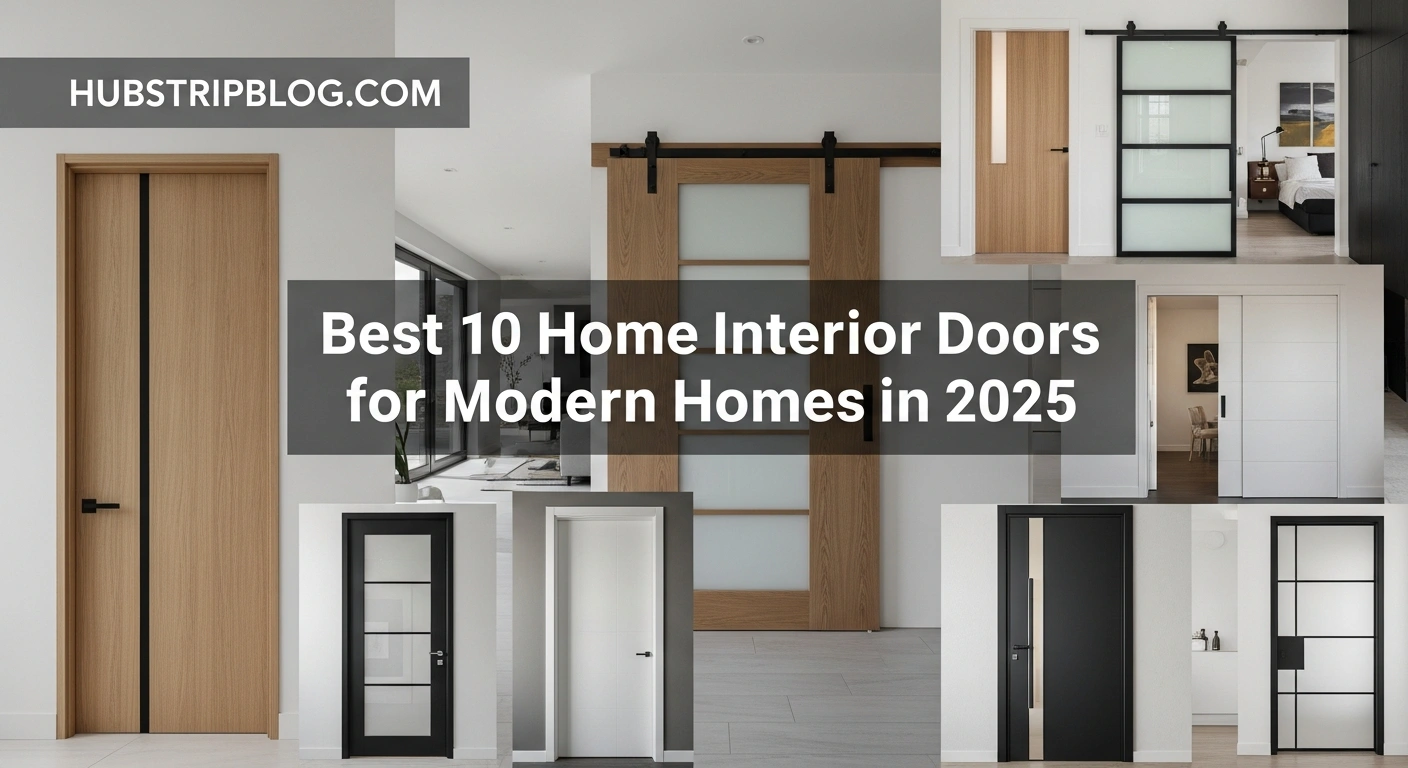
Material Matters: A Deeper Look
When it comes to doors, material is everything. It determines not only how a door looks, but how it feels, sounds, and even how it ages. The right material can elevate a room’s aesthetic and improve its overall functionality, while the wrong one can disrupt the harmony of your interior. In the evolving world of modern home design, understanding each option’s unique strengths and limitations is essential to making a choice that endures both in style and performance.
Solid wood remains the timeless favorite — a classic that exudes warmth, texture, and authenticity. Its natural grain and weight give it a sense of permanence and quality that engineered materials often imitate but rarely replicate. Beyond its visual appeal, wood also offers excellent sound insulation and a tactile luxury that enhances daily living. However, it demands care; fluctuations in humidity and temperature can affect its shape and finish, making it better suited for controlled interior environments.
Engineered wood and MDF (Medium-Density Fiberboard) have become the modern alternative, striking a balance between affordability and stability. Unlike natural timber, these materials resist warping and can be finished with veneers, laminates, or paint to mimic almost any look — from sleek minimalist whites to rich oak tones. They’re ideal for contemporary homes seeking consistency in color and texture, especially when multiple doors are used throughout a space.
For those who favor light and openness, glass doors redefine spatial perception. Frosted, tinted, or clear, they allow natural light to flow while maintaining separation between rooms. In modern interiors, full-height glass pivot or sliding doors have become synonymous with architectural sophistication — blurring boundaries between functionality and art. Pairing them with black or metallic frames adds a bold, industrial edge that perfectly complements 2025’s design sensibilities.
Meanwhile, metal and aluminum doors bring a touch of urban modernity and exceptional durability. Often used as accents or in combination with other materials, they deliver a sleek, refined aesthetic that resonates with minimalist and high-tech interiors. Their low-maintenance nature and resistance to wear make them ideal for spaces that value both performance and polish.
And finally, composite materials are emerging as the future of door design. By blending natural fibers, resins, and recycled materials, these doors offer strength, sustainability, and creative freedom. Many brands are now experimenting with eco-friendly composites that mimic the texture of real wood while reducing environmental impact — aligning perfectly with the sustainable design priorities of modern homeowners.
Ultimately, your choice of material shapes more than just appearance — it influences how sound travels, how light interacts with your walls, and how you experience each room. In the pursuit of the best home interior doors for modern homes, understanding materials means mastering the language of design itself. It’s about balancing beauty with practicality, and permanence with innovation — ensuring that every door you open reflects the essence of the home you’ve built.
Solid Wood, Solid Core, and Hollow Core
- Solid Wood Doors: Made from a single species of wood, these are heavy, durable, and offer excellent sound insulation. They provide a premium, natural look but can be expensive and may warp with changes in humidity.
- Solid Core Doors: These doors have a core made of wood composite material (like MDF or particleboard) with a wood veneer or painted finish. They offer the weight and soundproofing benefits of solid wood at a more stable and often more affordable price point, making them a top choice for modern interiors.
- Hollow Core Doors: These are lightweight and inexpensive, constructed with a honeycomb cardboard interior and a thin wood veneer or fiberboard skin. They offer minimal sound insulation and can feel less substantial, making them best suited for low-traffic areas like closets.
Glass, Metal, and Composite Materials
- Glass: As discussed, glass is perfect for sharing light. Tempered or laminated glass should be used for safety.
- Metal: Steel and aluminum are used for frames, particularly in industrial-style doors, offering strength and a slim profile.
- MDF (Medium-Density Fiberboard): MDF is an engineered wood product that is incredibly stable and provides a perfectly smooth surface for painting, making it an ideal material for modern painted flush doors.
Hardware: The Crucial Finishing Touch
Door hardware—handles, hinges, and locks—is like jewelry for your door. In modern design, hardware should be minimal and elegant. Opt for sleek lever handles in finishes like matte black, brushed brass, or satin nickel. For the ultimate minimalist look, consider concealed hinges and magnetic latches, which allow the door to sit perfectly flush within its frame without visible hardware.
Conclusion: Doors as a Defining Element
Gone are the days when doors were merely passive dividers — simple, functional barriers between one room and another. As we enter 2025, the interior door has evolved from utility to artistry, from background to centerpiece. It now stands as one of the most defining architectural elements of modern living, shaping not only the flow of space but also the mood, texture, and character of an entire home.
A door, in its modern expression, does far more than open and close. It manages light and privacy, modulates acoustics, and becomes a tactile statement of design philosophy. Every material, hinge, and handle choice contributes to the story your home tells — from the understated luxury of flush, trimless panels that blend seamlessly with the wall, to the commanding presence of floor-to-ceiling pivot doors that redefine scale and proportion. These are not just openings; they are transitions between experiences.
Designers and homeowners alike are beginning to appreciate that doors have the power to anchor a room’s identity. A sleek matte-black pivot door introduces drama and contrast in a minimalist space. A sliding glass partition allows natural light to flow, merging openness with intimacy. Meanwhile, a beautifully grained wood door adds warmth and texture, grounding modern interiors in timeless craftsmanship.
This renaissance of door design reflects a larger truth about contemporary interiors: every element now carries both aesthetic and emotional weight. The modern home is expected to perform — to be efficient, adaptable, and visually coherent. Doors, in this context, are no longer afterthoughts but architectural punctuation marks, guiding the rhythm of how we move, see, and feel within our personal spaces.
Choosing the right door today is, therefore, not merely a construction choice — it is an act of curation. It requires consideration of proportion, finish, and alignment with the home’s architectural language. Whether you choose a minimalist flush door that disappears into the wall or a sculptural pivot model that commands attention, your decision defines the threshold between function and art.
Ultimately, the best interior doors for modern homes are those that do more than separate rooms — they connect stories. They embody a balance of engineering precision and artistic intent, elevating even the simplest passage into an experience of design.
As materials, mechanisms, and technologies continue to evolve, one thing is clear: the humble door has stepped into the spotlight. It now stands as a symbol of modern design thinking — intelligent, expressive, and purposeful. And in the years ahead, this once-overlooked architectural feature will continue to shape how we define space, privacy, and beauty within the places we call home.
